スポーツに掛ける事ができるブックメーカーは海外で大人気
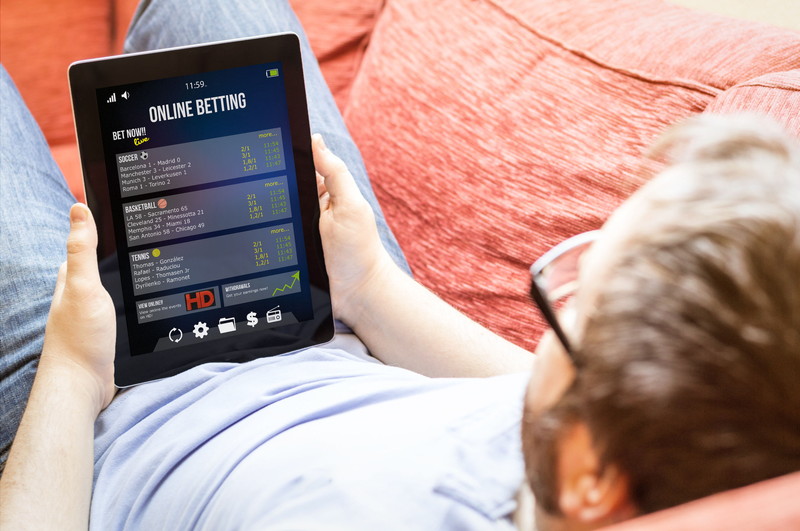
海外のサッカーをブックメーカーで楽しもう

ブックメーカーはインターネットを利用して気軽にお金をかけて楽しむことができるとして世界中で高い人気を起こっているゲームです。その対象は様々なものとなっており、人気投票から世界中のスポーツの結果までいろいろなものが対象となっているため自分の好きなものにお金をかけて楽しむことができると言うメリットがあります。
その中でも高い人気を起こっているのが海外のサッカーです。日本では特定の方法によってチームの勝敗をかけることが1部で認められていますが、ブックメーカーの場合には様々な方法で行うことができるのが特徴で、単に勝ち負けのほかに自分の好きな選手が試合の中で得点を入れた数を競ったり、試合の出場回数を競ったりといったかけ方もできるのがポイントです。そのため単なる勝ち負けだけではなく自分の好きな書き方ができるのがブックメーカーの大きな魅力となっています。
日本のサッカーに比べて海外のサッカーは非常に魅力的な選手が多くそのプレーに魅了されていると言う人も少なくありません。しかしこれを単純に観戦するだけでなく実際にお金をかけることで様々な点に注目して楽しむことができるのはブックメーカーの大きな魅力となっています。自分のかけたポイントについて注目してみることができるほか、予想を当てることでお金を稼ぐことができるので22メリットがあると注目されているのです。また試合によっては様々な倍率が設定されているのでこれに注目して見るのも良い方法となっています。

ブックメーカーで日本のサッカーJリーグに賭ける

ブックメーカーは様々なスポーツが対象になっていますが、海外の試合だけに賭けることができると考えられがちです。しかし、実は日本のプロスポーツも賭けの対象になっていて、特にサッカーJリーグは高い人気を誇っています。その理由は様々ですが、海外のサッカーとは異なる魅力があるということです。
Jリーグの人気が高い理由としてまず挙げられるのは、試合に関する不正の可能性がほぼ無いからです。サッカーは世界で最も人気が高いスポーツであるため様々なブックメーカーで賭けの対象になっています。そのため海外ではマフィアとのつながりが指摘されるクラブがあり、選手や審判を買収して試合結果を操作しようと企てている場合があります。しかし、日本はそういった海外マフィアの手が届かないため純粋に試合の行く末を予想して賭けることができるのです。日本人は真面目な気質であることが海外の人にも知られていて、そういった国で行われているJリーグなら安心できるということが大きな理由になっています。

また、時差もブックメーカーで人気となっている理由の一つに挙げられます。海外在住のファンは当然のことながらそれぞれの国の試合を熱心に見て賭けていますが、自国で試合が行われない時間帯は暇を持て余しています。そんなとき、時差がある日本のJリーグを見て賭けをすることがあるのです。知識は無くとも順位表やフォーメーション、有名選手の有無で勝敗を予想しています。

参考にしたいブックメーカーのBlogとソーシャルメディア
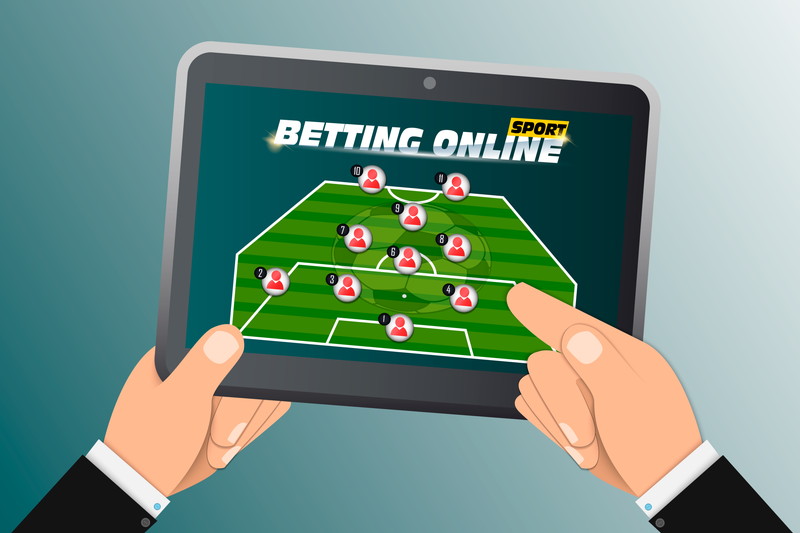
ブックメーカーのアカウントを作るなら、参考にしたいのがBlogやソーシャルメディアです。
基本的にブックメーカーは海外のサービスであるために、アカウントの作成画面は英語です。最近は日本語対応のブックメーカーも増えてきましたが、英語だとそれだけで不安になる人も多いでしょう。
ネット上には、アカウントの作成方法を日本語で解説したBlogが多数あります。大まかな流れから一つ一つの手順を細かく解説しているので、参考にすれば大きな間違いは起きません。簡単な英語にも不安を感じているなら、こうした解説を読みながらアカウントを作成すると良いでしょう!

アカウントを作成したら、次は入金をしなければいけません。入金・出金の方法や手順についても、アカウントの作成と同じように日本語で解説されています。
さらにはスポーツごとのオッズや賭け方なども解説しているので、まとめて読めば基本的な部分は全て把握できるでしょう。
様々なソーシャルメディアも、ブックメーカーで遊ぶならネット上で押さえておきたいポイントです。ブックメーカーの公式はもちろん、日頃から様々の情報を発信している一般のアカウントを見つけたら、積極的にフォローしておくと良いでしょう!
Blogとソーシャルメディアを活用すれば、最新のニュースを見逃しません。お得な情報から様々なトラブルまでをリアルタイムで仕入れられるので、情報が不足しがちな海外ブックメーカーを安心して利用できます。